
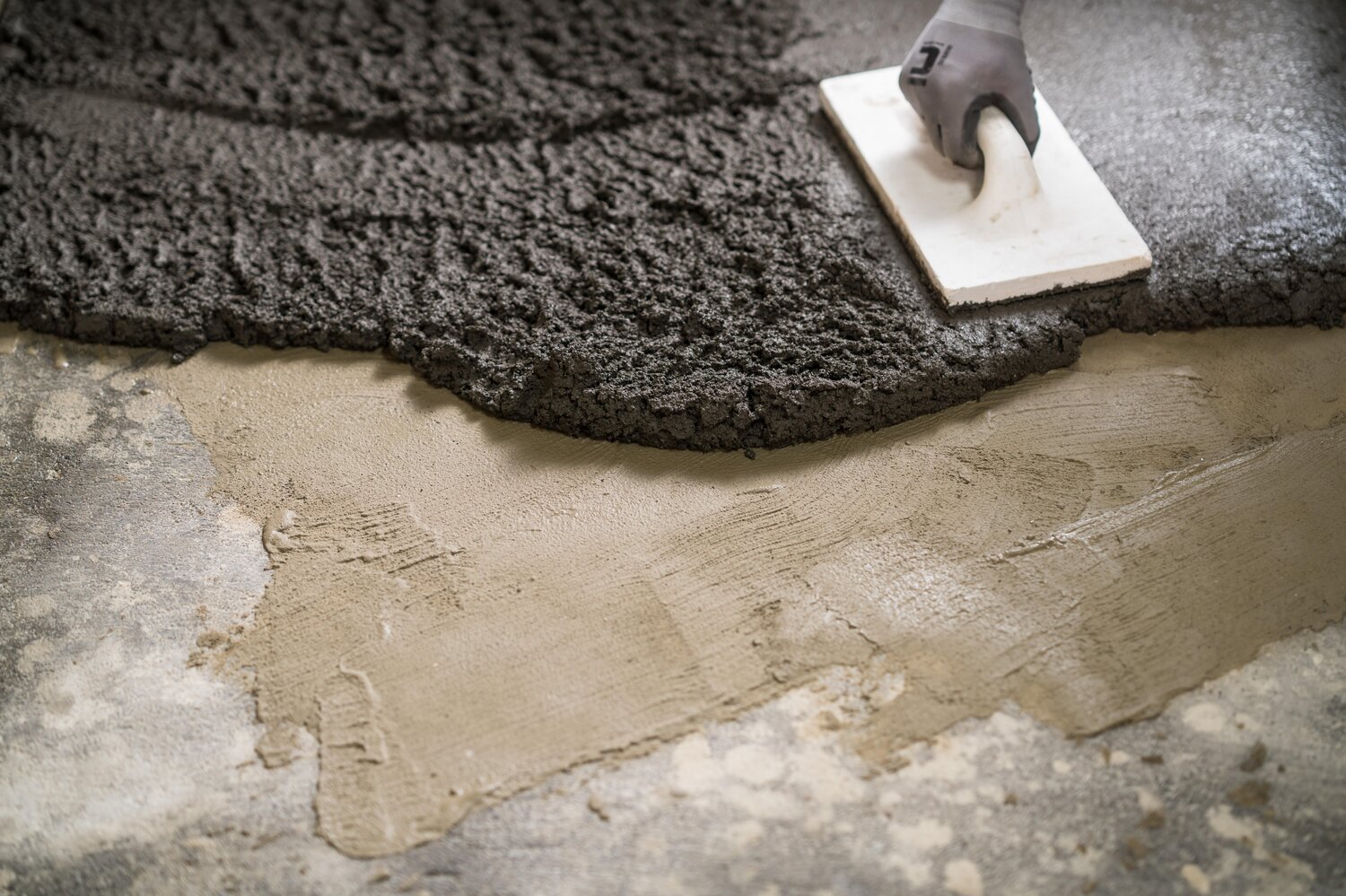

Proper substrate preparation is a key step before installing the screed, thermal insulation, and finishing layers. Cleaning the surface, leveling, creating a base layer, priming, and applying adhesion compounds ensure reliable bonding between layers, long-lasting construction, and stable floor performance.
The final quality of the floor directly depends on a properly designed and well-executed layer system. When designing floor structures, it is important to consider the purpose of the room, expected loads, requirements for thermal and sound insulation, as well as operating conditions. This approach allows for selecting the optimal solution and ensures the floor’s durability and reliability.


When installing or repairing a floor, it is important to choose the right type of screed, as it levels the substrate and provides strength and durability to the entire floor structure.

High-quality floor insulation reduces heat loss, increases indoor comfort, and lowers heating and cooling costs. When selecting insulation solutions, it is important to consider the type of substrate, floor load, and operating conditions.

The efficiency and durability of an underfloor heating system largely depend on proper design. At this stage, the type of system, insulation, layout pattern, layer thicknesses, and operating conditions are taken into account. Accurate calculations and the right selection of solutions ensure even heating, comfort, and energy-efficient performance.