Substrate preparation
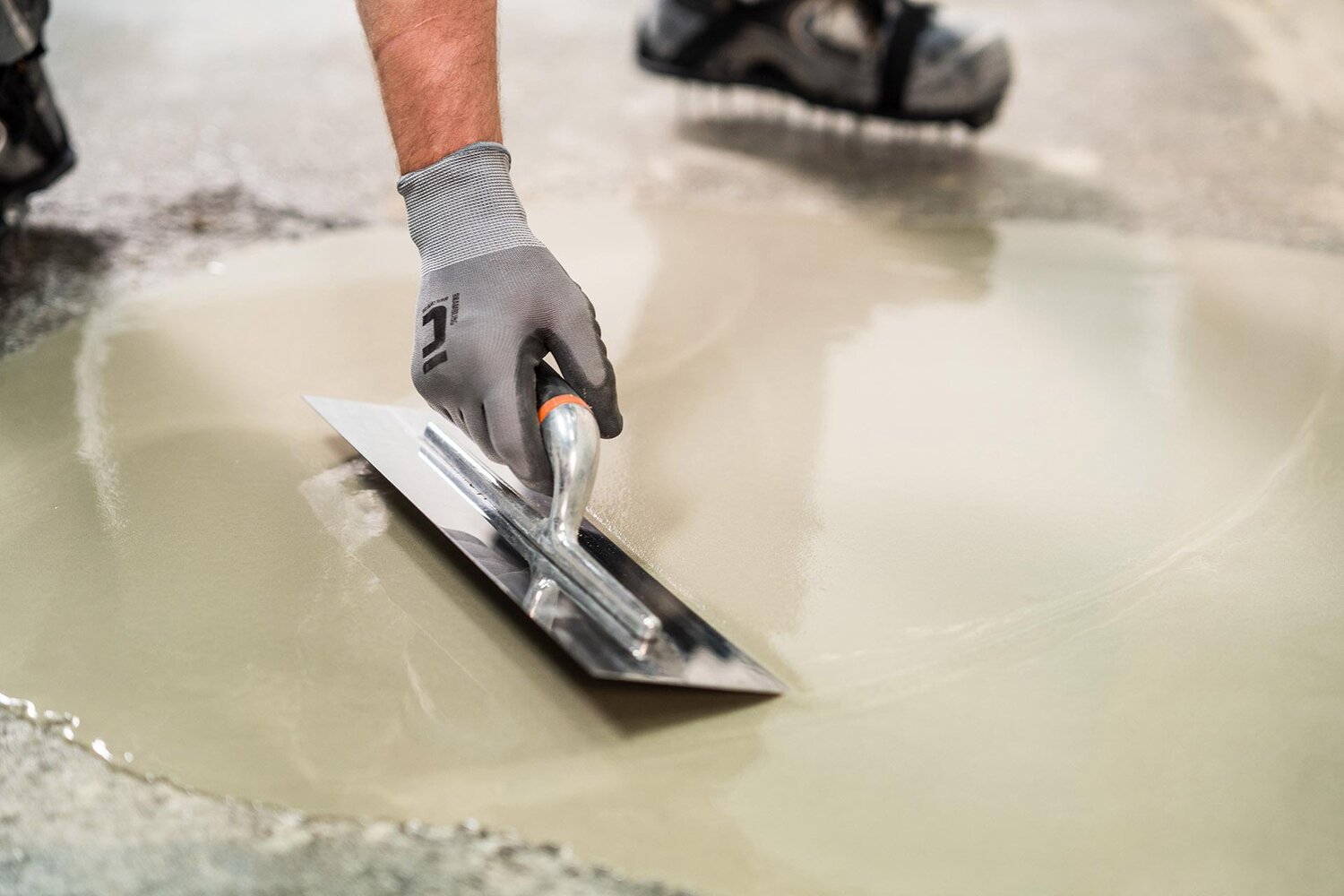
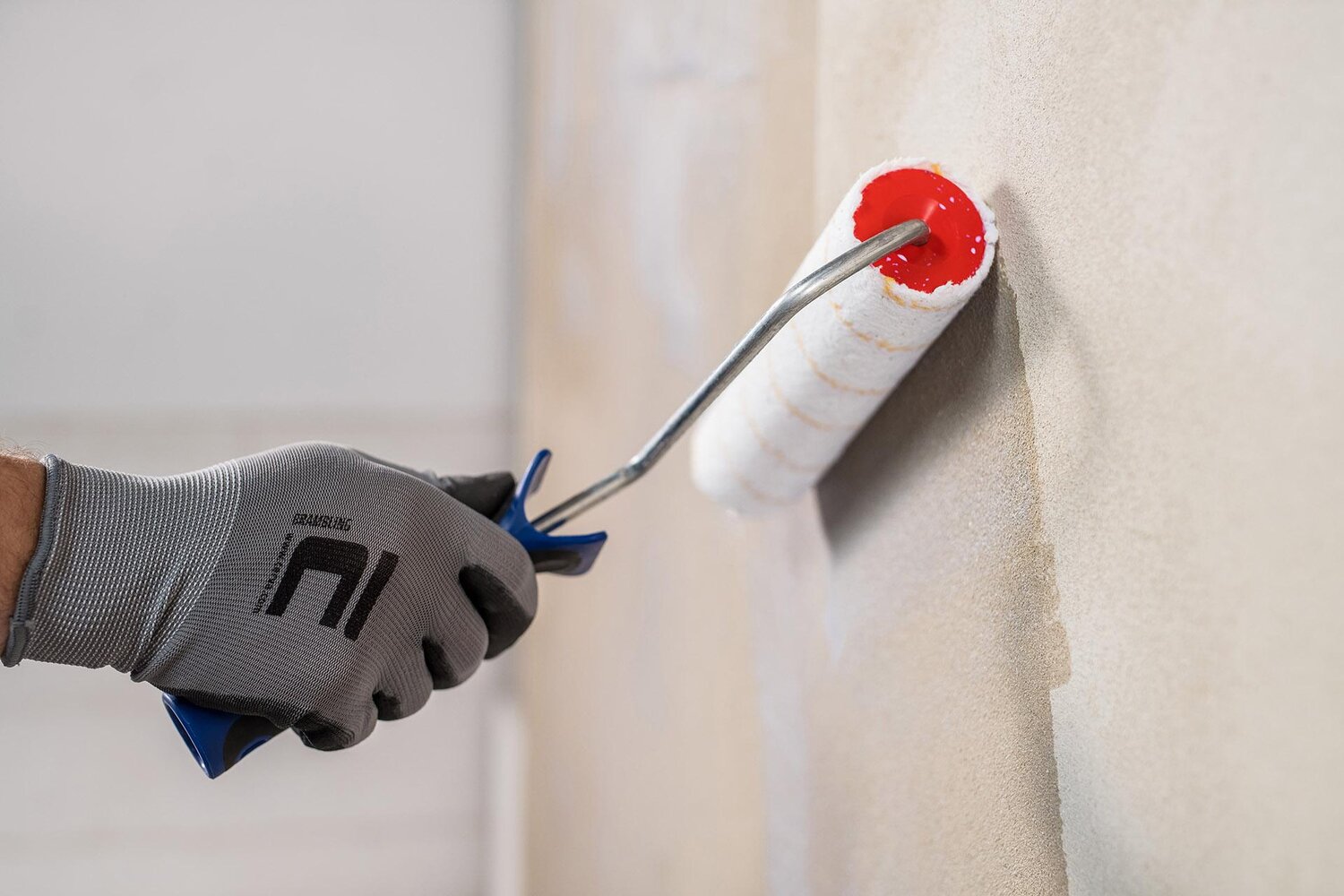
Substrate preparation can be divided into several steps. In the case of renovation, the work begins with the removal of the old covering, which helps identify hidden defects. After addressing these defects, the surface is leveled, as tiles can only be installed on a flat substrate.
It is very important to ensure reliable adhesion of materials to the substrate. For tiles, a primer is recommended if necessary, as it improves adhesion and increases the durability of the covering.
Recommendations for thorough substrate preparation
High-quality tiling is impossible without thorough surface preparation. To ensure the durability of the covering, pay attention to the following recommendations:
-
The substrate must be strong, clean, and free of dust or contaminants.
-
All loose or poorly fixed elements must be removed from the surface.
-
All substrate defects should be repaired no later than three days before starting tile installation.
-
Before applying waterproofing or adhesive, ensure the surface absorbs moisture evenly, is stable, and has sufficient adhesion—this check should be carried out at least one day before work begins.
-
The preparation method depends on the type of substrate and the structure of the tiling system.
-
If you are unsure of your skills, it is better to entrust the preparatory work to professionals.
Materials for substrate enhancement
Even in new constructions, it is important to ensure a strong and well-adhered substrate for tiling. In most cases, cement plasters and concrete floors do not require complex preparation—thorough dust removal is usually sufficient.
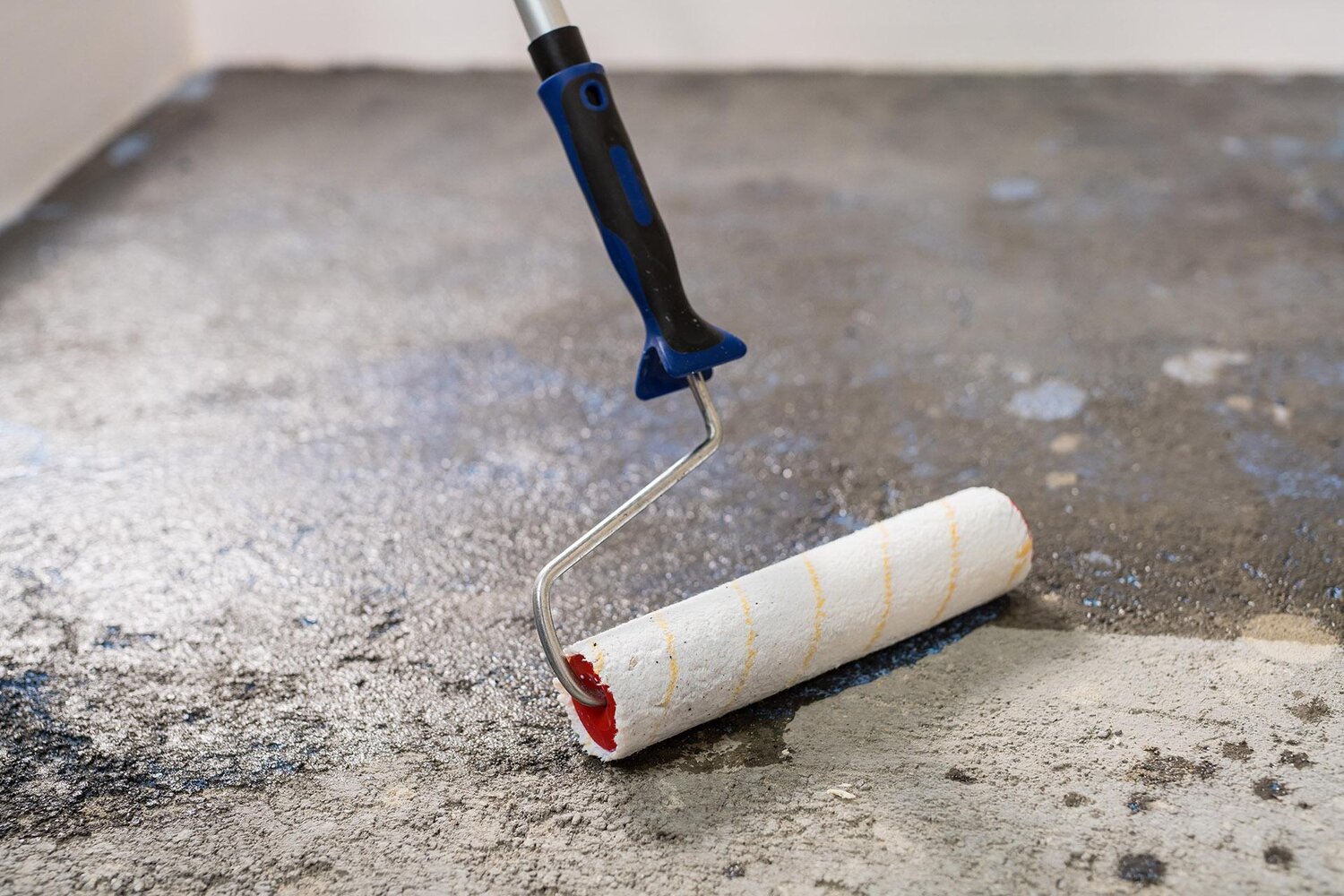
If the substrate is gypsum-based, it must be separated from the cement layer using a primer. For concrete floors, screeds, as well as under painted or decorative plasters, it is recommended to use Cemix 2613 Primer, which strengthens the surface and improves the adhesion of subsequent layers.
It should be noted that in high-humidity areas, the use of gypsum-based materials is not recommended due to the risk of softening and loss of strength.
What you need to know about primers and adhesion bridges?
All of these materials are liquid compositions applied in a thin layer to prepare the surface for further treatment.
-
Primer is mainly used on absorbent substrates to reduce their water absorption.
-
Deep-penetrating primer strengthens weakened or chalky surfaces, as well as drywall—it penetrates the paper layer and ensures a strong bond with underlying layers.
-
Adhesion bridge is used on smooth and non-absorbent substrates to ensure bonding between incompatible materials. “Incompatible” means that the two materials cannot reliably adhere to each other without such a bridge.
Why use a primer?
-
To reduce the substrate’s water absorption and prevent it from drawing moisture needed for forming a strong bond with waterproofing, leveling compounds, or adhesive.
-
To even out the surface’s absorbency and ensure uniform drying—especially important when using self-leveling floors.
-
To strengthen the substrate (recommended only for slightly porous surfaces).
-
To improve adhesion between different layers of materials.
Substrate preparation and leveling for floors
This stage is one of the key steps in preparing for tiling work. There are two types of leveling compounds: self-leveling and traditional.
-
Self-leveling compounds are used when a perfectly flat horizontal surface without irregularities is required. When selecting a material, it is important to consider the required layer thickness and how quickly the compound should set.
-
Traditional (non-self-leveling) compounds are used for localized leveling, repairing defects, or treating areas with varying heights, such as steps. This group also includes materials designed to create slopes, for example, in shower areas.