
Basics of Tile Grout Application
This process is especially important in high-humidity areas, such as bathrooms or kitchens. Grout fills the spaces between tiles, preventing water from seeping under the surface, which can lead to mold growth and damage. Additionally, grout helps prevent the accumulation of bacteria and other contaminants between the tiles.
Main Stages of Tile Grouting
Before starting, it is recommended to clean the tiled surface. A damp sponge works best for this. Next, prepare the chosen grout material according to the parameters specified in the product instructions.
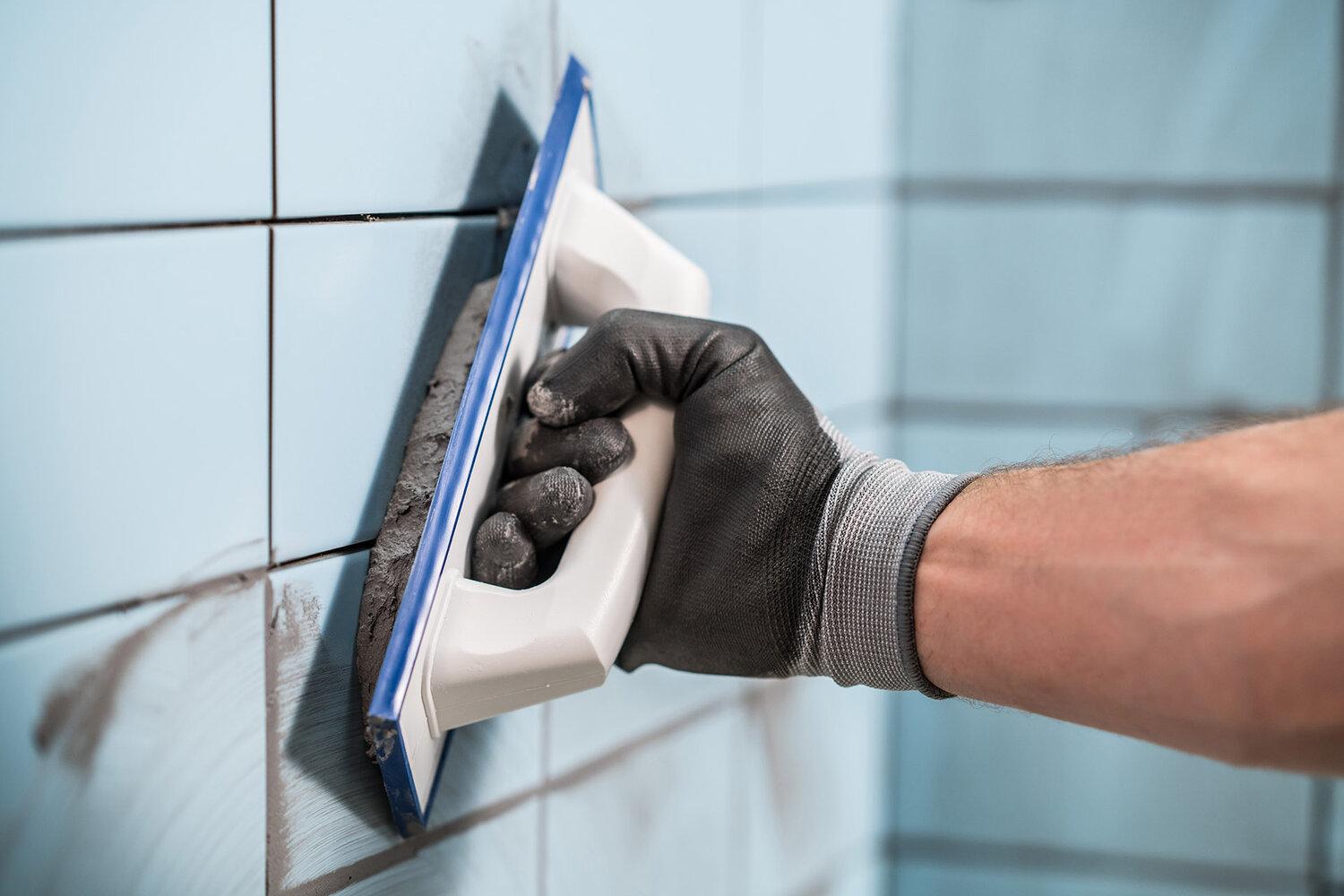
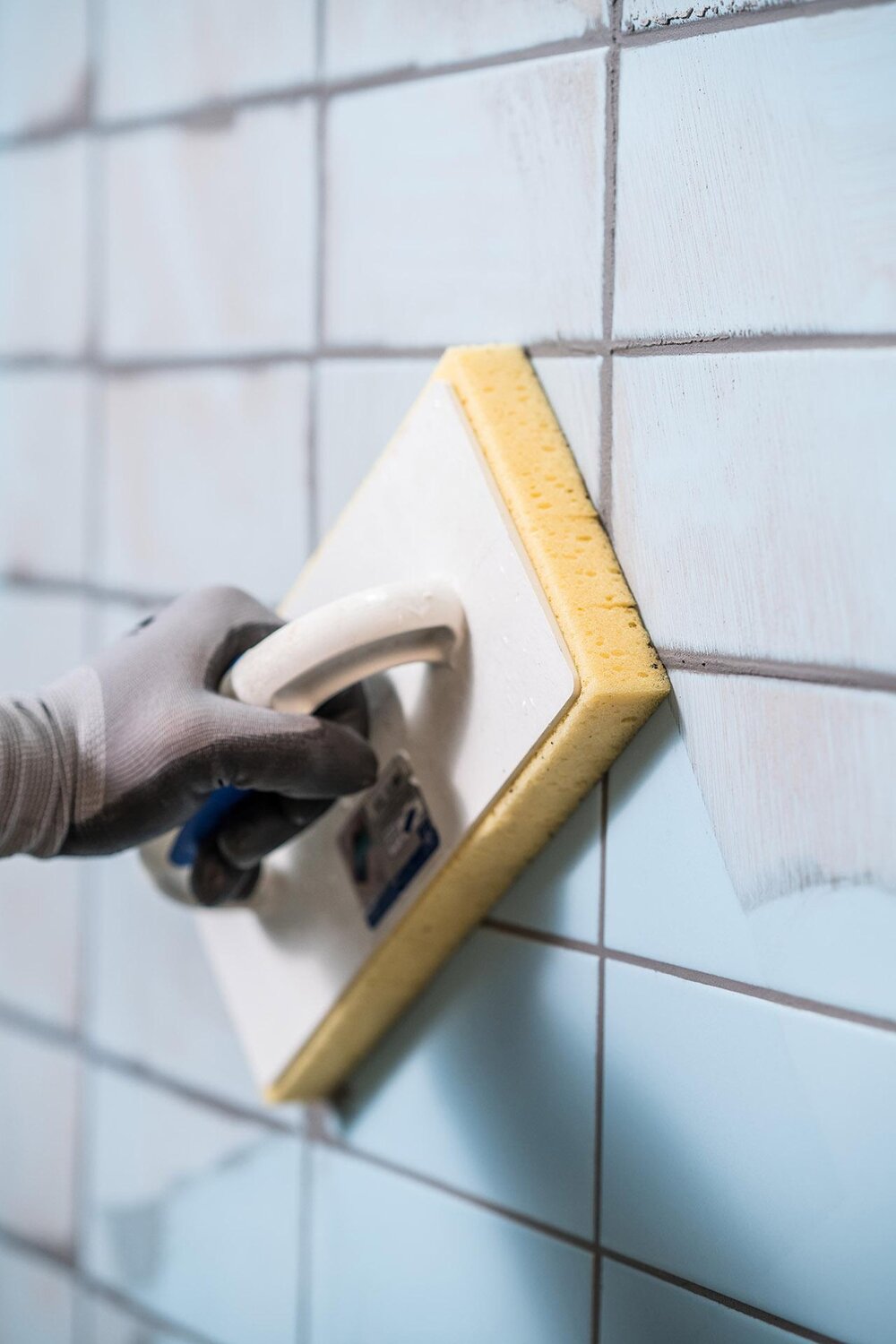
The next step is applying the prepared material to the surface using a grout trowel. It is best to fill the joints with diagonal movements. When the grout has mostly set but is still slightly damp, the “washing” stage begins, during which a damp sponge can also be used. Circular motions help shape the depth of the joints.
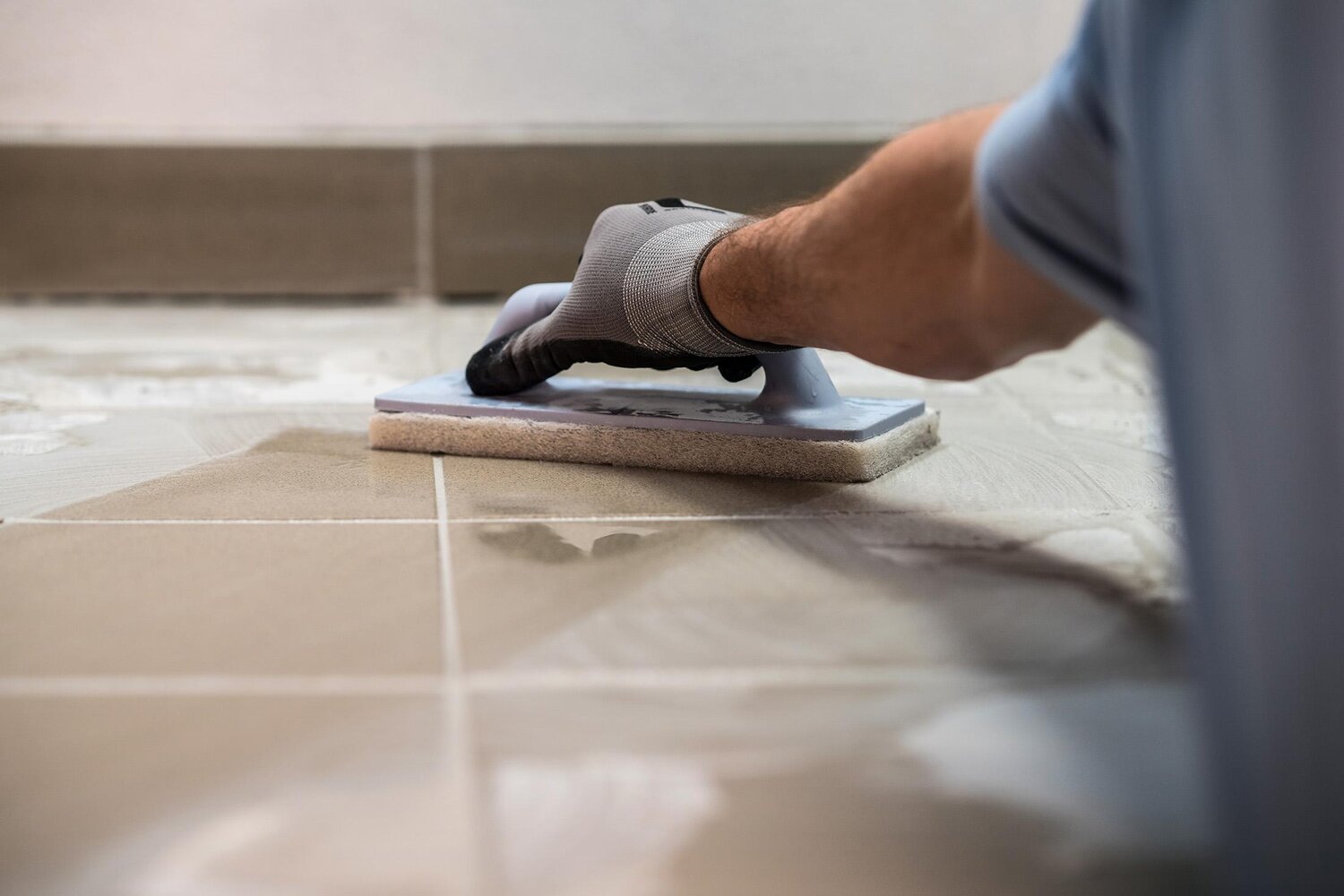
After that, the material is left to dry (drying time depends on the specific product). Later, any remaining cement residue can be removed from the surface using a special grout sponge with gentle rubbing, and then the surface is wiped with a dedicated cloth for final cleaning.
Classification and Labeling of Materials
Classification and Labeling of Materials Used in Grouting
The classification and labeling of materials used in grouting are carried out according to standards, which is important for selecting the right product.
European Standard (EN 13888):
The classification and categorization of grout materials are performed according to EN 13888. The product’s labeling must be indicated on both the packaging and the technical data sheet.
Labeling includes letters and numeric codes that help distinguish between different materials.
Labeling Codes:
By binder type:
-
CG: Cement-based grout
-
RG: Reactive synthetic resin-based grout (usually epoxy)
By performance:
-
Standard strength grout
-
High-strength grout
Additional characteristics:
-
W: Reduced water absorption
-
A: High wear resistance
The standard does not cover the following characteristics, which are provided only by the manufacturer:
-
Method and area of application (e.g., interior or exterior use)
-
Antibacterial, antifungal, and anti-algae properties of the grout.
Grout Calculation: Determining the Required Amount of Material
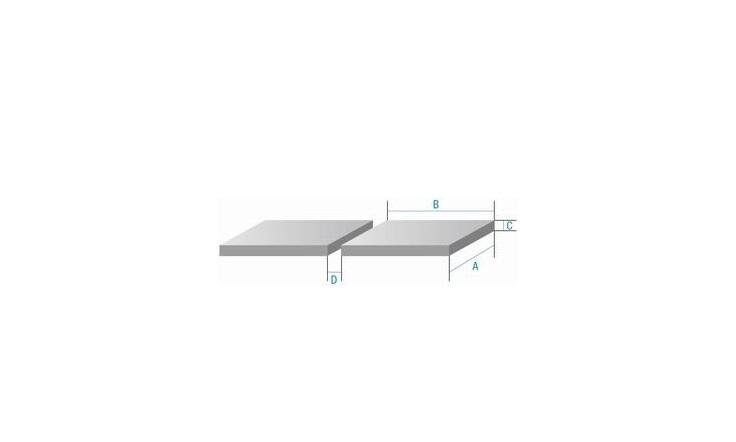
This formula can be used to calculate the required amount of grout. Due to variations in installation methods and tile sizes, the resulting value is approximate.
(A+B)A×B×C×D×F=kg/m²\frac{(A + B)}{A \times B} \times C \times D \times F = \text{kg/m²}A×B(A+B)×C×D×F=kg/m²
Where:
-
A = Tile width (mm)
-
B = Tile length (mm)
-
C = Tile thickness (mm)
-
D = Joint width (mm)
-
F = Specific material consumption (kg/dm³)
Cemix Innovations in the Field of Tile Grouting
Joints are the least durable part of areas with cold tile coverings. Often, a surface that was flawless on the day of completion can, over time, under heavy use or exposure to harsh conditions, change color, start cracking, and develop mold. Cemix specialists are constantly seeking innovative solutions to address these issues.